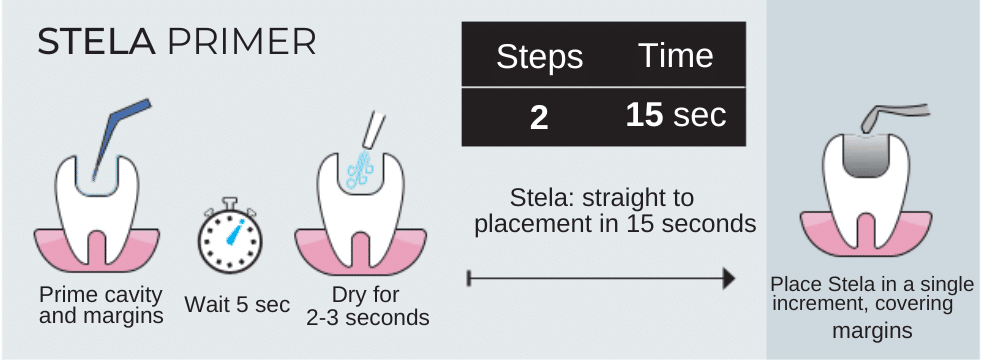
Redefining Excellence in Dental Composites with Dr Dan Shaffer and SDI Stela.


I have seen countless materials claim to revolutionise restorative dentistry. But SDI Stela? This one genuinely delivers. It’s not just another composite; it’s a game-changer.
To truly appreciate what makes SDI Stela a step change in restorative materials, watch the video. In it, I share my clinical insights and demonstrate how this innovative material is reshaping dental care. From its unique chemical properties to its unparalleled performance in practice, you’ll see why Stela is creating such a buzz in the industry.
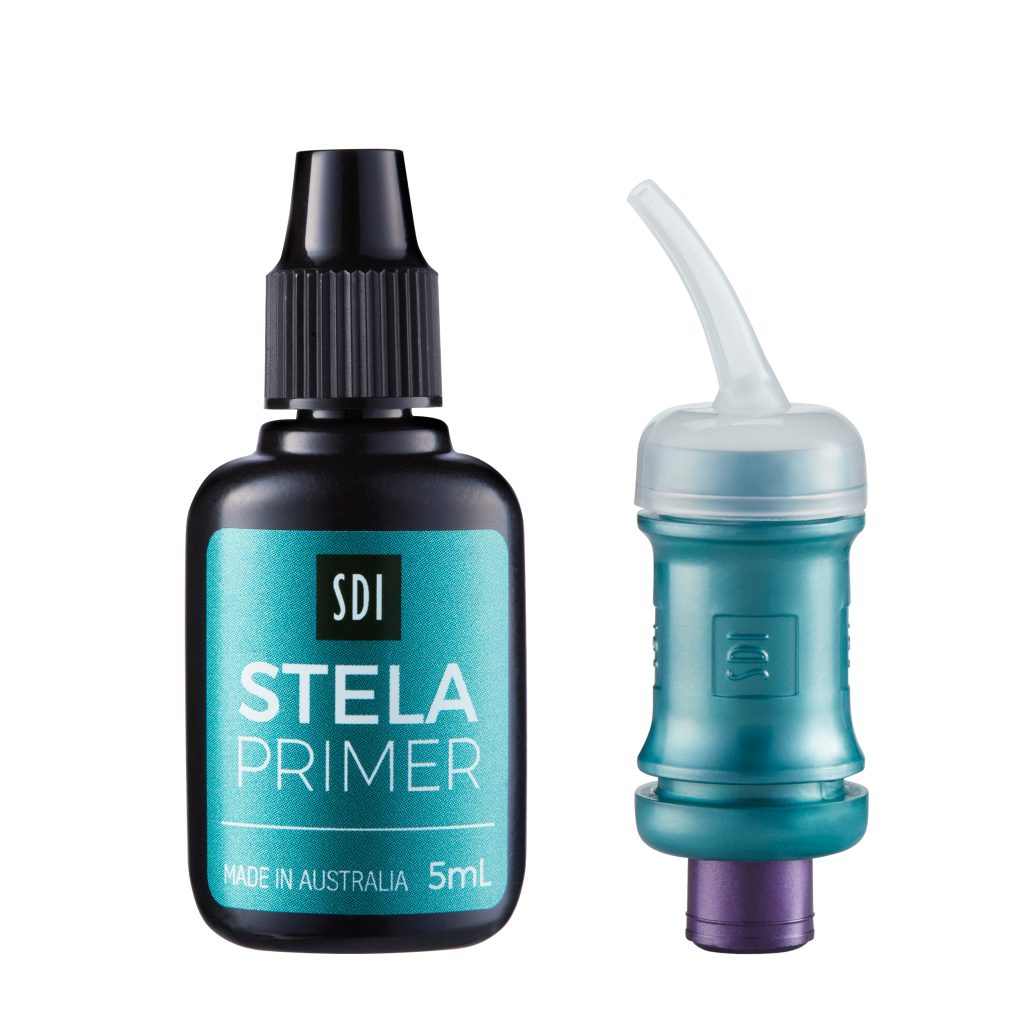
The Science Behind the Magic
Let’s start with the facts. SDI Stela’s chemical composition is entirely free from Hema, Mercury, and BPA. That alone is a big deal—but it gets better. In clinical trials, Stela has shown a 30% improvement in optical matching with natural tooth structures compared to traditional composites. I’ve seen it in action, and the way it blends seamlessly is nothing short of extraordinary. This isn’t just a marketing claim; it’s real-world performance.
The polishability? Next level. Lab tests reveal a 40% reduction in surface roughness after polishing, giving teeth a brilliant, natural shine that lasts. For me, this has made Stela a standout choice for both posterior and aesthetic restorations.
Strength Meets Versatility
Let’s talk durability—because aesthetics mean nothing without strength. Stela boasts a flexural strength of 130 MPa and a compressive strength of 300 MPa, outperforming many conventional composites. In practice, this translates to restorations that not only look incredible but can withstand the rigors of daily life with ease.
Its chemical cure system is another standout feature. It offers optimal working time and ensures consistent polymerization, even under challenging conditions. Whether it’s a straightforward restoration or a more complex case, Stela gives me the confidence that the result will be both precise and long-lasting.